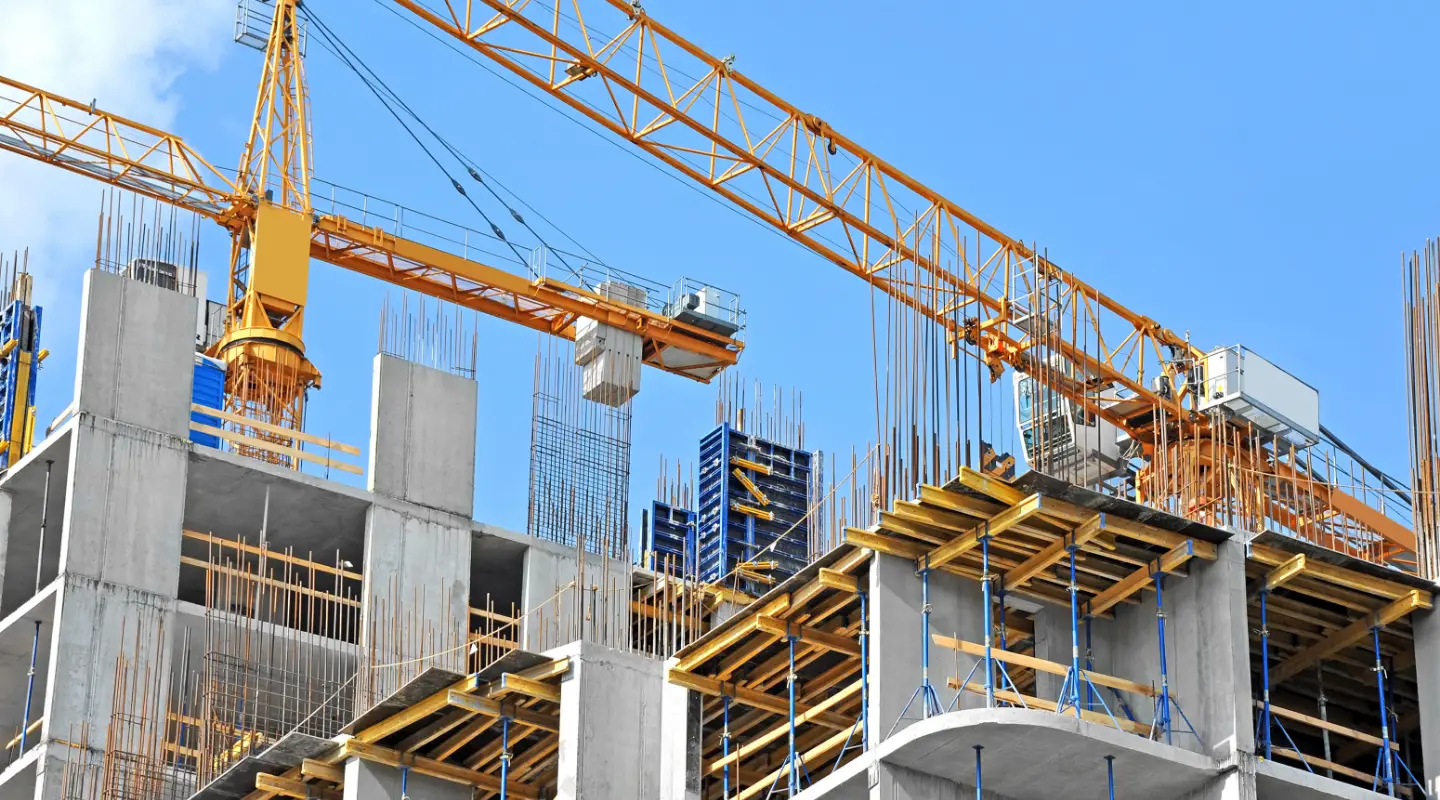
Embodied carbon vs operational carbon
Embodied carbon represents the carbon dioxide equivalent (CO₂e) associated with the non-operational phase of a construction project, including carbon emissions associated with extraction, manufacturing, transportation, deconstruction, disposal, and end-of-life of materials and processes.
On the other hand, operational carbon refers to energy and water consumption during a building's occupancy, encompassing emissions from regulated energy consumption such as electricity, heating, cooling, ventilation, lighting, and water use needed to operate the building.
Next, we will delve into a comprehensive exploration of both embodied carbon and operational carbon, unravelling their distinctive contributions to the whole life carbon footprint of a building.
Embodied Carbon: Building's Carbon Footprint from Materials and Construction
Put simply, operational carbon encompasses the energy and water consumption directly attributable to the building's occupants. On the other hand, embodied carbon encompasses all other factors, such as the construction of the building, the upkeep and repair of materials, and the end-of-life impact of those materials.
Embodied carbon, constituting over 30% of all global emissions in buildings, demands attention. From the extraction of raw materials to the construction phase, every step plays a crucial role in determining a building's embodied carbon. Developers and contractors must prioritise its reduction to meet net zero targets. In turn, developers could cut costs, mitigate resource risks, and navigate evolving regulations and planning permissions.
Operational Carbon: Building's Carbon Footprint from Energy Consumption
Operational carbon, which refers to the energy and water use by building occupants, saw a promising 18% reduction, between 2018 and 2022, as reported by the UKGBC’s Net Zero Whole Life Carbon Roadmap Progress Report; attributed to advancements in decarbonising the electricity grid and enhancing energy efficiency. However, the overall UK built environment emissions fell short of the Roadmap's targeted 19% reduction, registering a 13% decrease during the same period, highlighting the need for further improvements.
Strategies for Operational Carbon Reduction:
Implementing energy-efficient measures, such as utilising energy-efficient appliances, optimising insulation, and integrating renewable energy sources, can significantly reduce operational carbon. For example, installing solar panels on an office roof reduces operational carbon by generating clean, renewable energy from sunlight. Traditional energy sources, like fossil fuels, emit carbon dioxide during electricity production. By shifting to solar power, the office minimises reliance on such carbon-intensive sources, effectively cutting carbon emissions associated with its daily operations. This transition to a sustainable energy solution also contributes to a significant reduction in the office's overall operational carbon footprint.
Building regulations and certifications often prioritise minimising operational carbon, recognising its direct impact on the day-to-day environmental performance of a structure but it is important to consider the whole life carbon footprint of every development.