


WE’RE OPEN
OFFICE CLOSED
Find Your Path


Popular Searches:
Carbon accounted for, for the life of the building
Measure and validate whole-life and operational carbon from development through to occupation.
Who this is for
You’re measuring whole-life carbon during development
Tracking operational carbon after occupation
Responding to planning, client, investor or procurement requirements

HOW WE WORK
Evidence for every stage of the building lifecycle
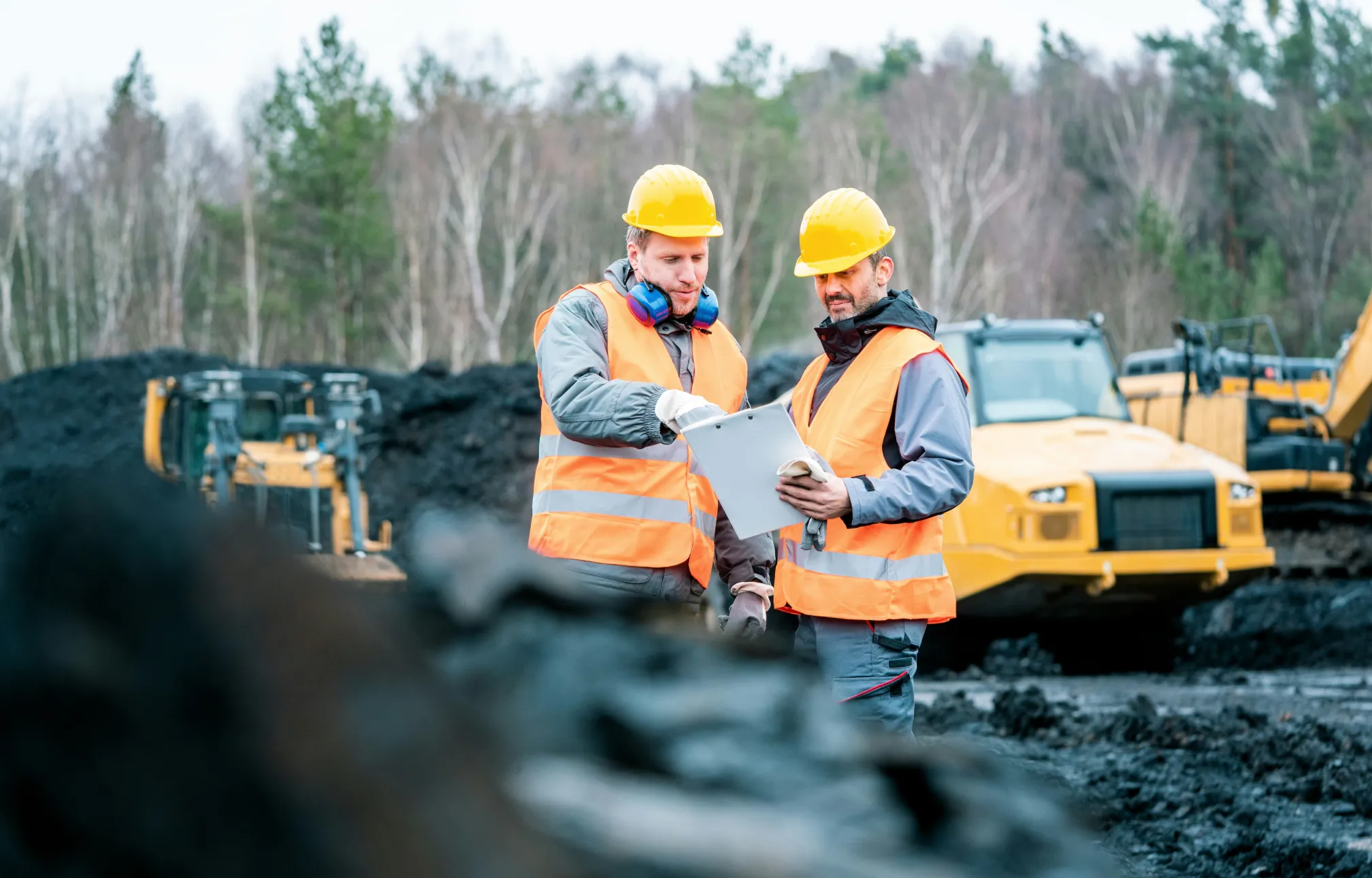
A building’s carbon impact begins long before occupation. Materials, construction choices and design decisions shape embedded carbon, while energy use continues to affect performance once the building is in use.
Planet Mark helps organisations understand and manage carbon across the building lifecycle through:

Development Certification, helping project teams measure and verify whole-life carbon before practical completion
Property Certification, supporting owners and occupiers to measure, manage and reduce operational carbon after occupation
Build carbon evidence into project decisions
Funders may ask how your organisation manages its environmental impact when considering applications, partnerships and ongoing support.
Consistent carbon evidence helps your team answer those questions with measured information and show how your approach develops over time.
Built Environment FAQs
Speak to an Expert


What’s the difference between whole-life carbon and operational carbon?
Whole-life carbon covers a building’s total carbon impact, including the materials, construction and design choices that shape its embodied carbon before anyone moves in. Operational carbon comes from the energy the building uses once it’s occupied. Measuring both gives you a complete picture across the building lifecycle.
Which certification is right for our project?
It depends on the stage. Development Certification is for project teams measuring and verifying whole-life carbon before practical completion. Property Certification is for owners and occupiers who want to measure, manage and reduce operational carbon once the building is in use.
Can we use both certifications on the same building?
Yes. The two certifications cover different stages of the lifecycle, so together they give you validated carbon evidence from development through to occupation.
How does certification help with planning, client and investor requirements?
Planning, design, investment and procurement decisions increasingly depend on measurable carbon data. Certification gives project teams, clients and investors validated, auditable evidence they can review at each stage, so you can respond to these requirements with confidence.
Why measure carbon during development rather than waiting until the building is finished?
Much of a building’s carbon impact is locked in by materials, construction and design decisions before occupation. Measuring during development puts carbon evidence into project decisions while there’s still time to influence them.



Sign up to the newsletter

Latest news and industry insights
Hear about product development
Get access to guides, toolkits and events
Thank you! Your submission has been received!
Oops! Something went wrong while submitting the form.


Axys House,
Heol Crochendy Parc Nantgarw,
Cardiff, Wales, CF157TW
© PlanetMark 2026, All Rights Reserved
Designed by Ayko Digital